
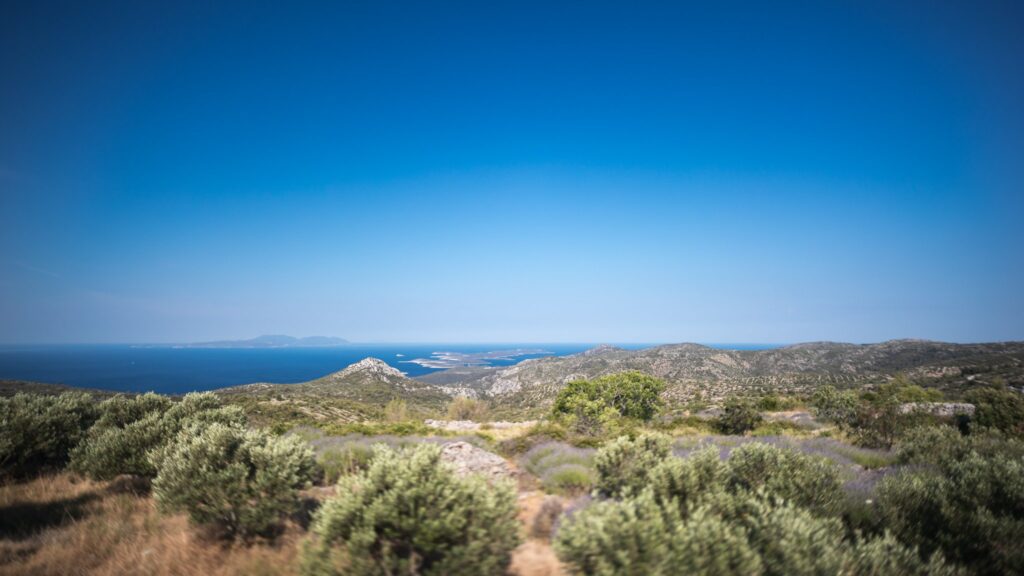
There are three sacred liquids on Hvar…
Wine, sweat of our fathers passed through harvests…
Water, merciful tears of God…
Olive oil, golden blood of our mothers…
Always there…
Even when we get forgotten by fathers, even when we get forgotten by God…
Our mothers still find a couple of drops to keep our hearts strong and minds sharp…
They are always there to show us that even if the world is falling apart, if everything we know is changing, we can always go back to mom’s warm hug.
The story of Hvar olive oil is not just agricultural history. It is a story of continuity. While empires came and went, while vineyards boomed and collapsed, olive trees remained.
And that’s what makes the history of olive oil on Hvar fundamentally different from the history of wine on Hvar – it’s less about expansion and trade, and more about endurance. It’s less about proving those outside Hvar Island we’re worth it and more about keeping those inside our home safe…
Olives on Hvar Before the Greeks: Born for Each Other
However, Hvar did not need to discover olives. It was born for them. Even better, they were born together, for each other.
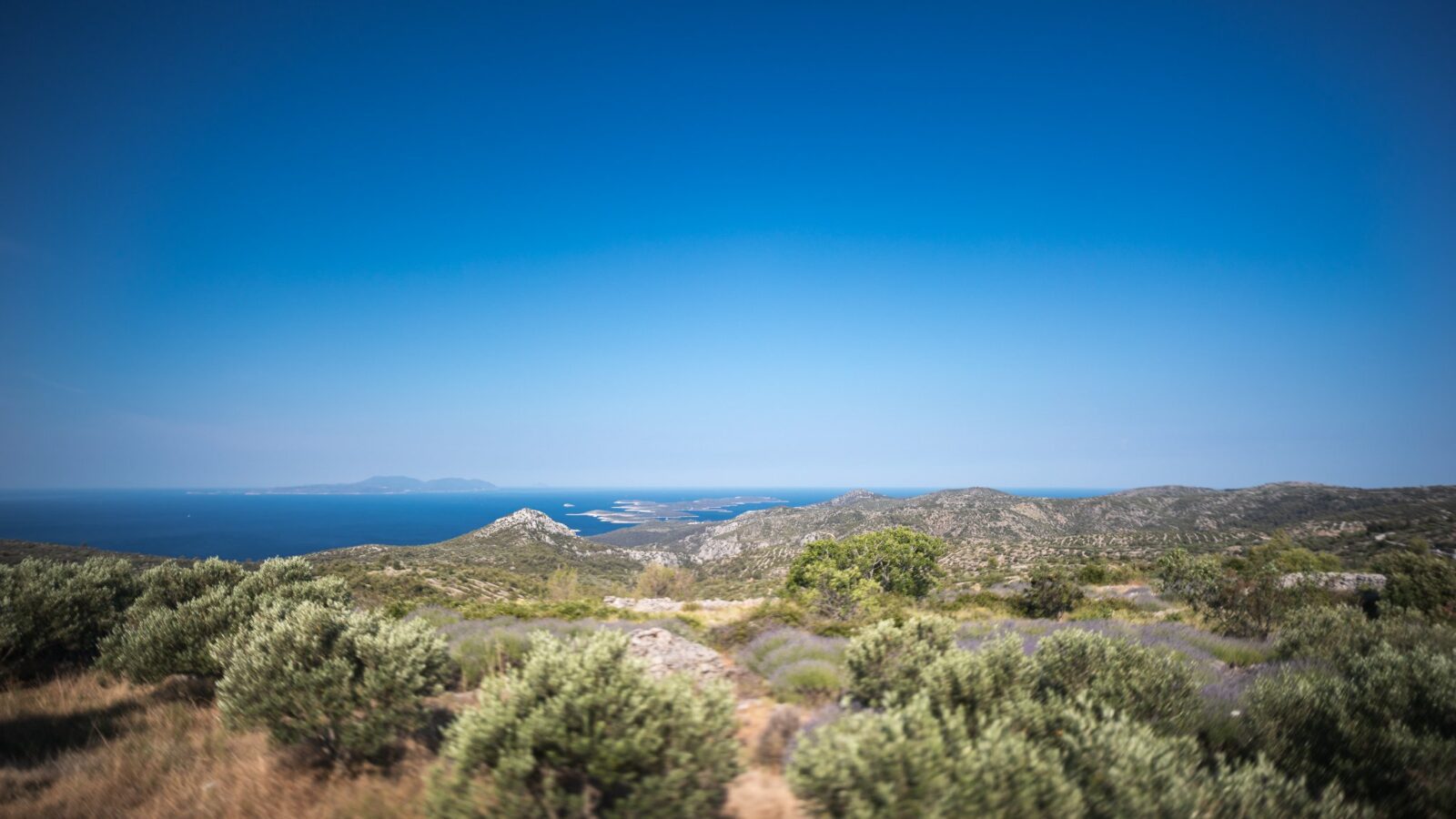
The island has the conditions olives love most – stone, sun, wind, and hardship. Hvar is not a land of softness. Its terrain is dry, exposed, and demanding. The soil is often shallow, broken by rock, and never eager to give abundance easily. Yet this is exactly why the olive tree belongs here. What weakens many other crops strengthens the olive. What looks like limitation to man often feels like home to the tree.
That is one of the deepest truths in Hvar olive oil story: olives were never an artificial success forced onto an unwilling landscape. They were a natural answer to the island itself.
Even before organized cultivation, wild olive trees – oleasters – were already part of the Mediterranean world, and landscapes like Hvar’s offered them everything they needed to endure. They could survive heat, poor soil, salt in the air, and long dry periods that would damage more delicate plants. They did not promise luxury. They promised persistence. And on an island where survival always depended on respecting natural limits, that mattered more than any fantasy of excess.
In that earliest period, olive oil was not understood the way modern consumers understand it now – not as a gourmet product, not as a symbol of refinement, and certainly not as something discussed through tasting notes, awards, or branding. It was useful before it was celebrated. Necessary before it was admired.
For early Mediterranean communities, oil meant concentrated energy in a world where every calorie counted. It meant light after sunset, when a lamp fueled by oil could extend the day beyond the sun. It meant protection, because oil could help preserve food, support skin exposed to harsh weather, and serve as the basis for simple healing preparations. It was practical, portable, and deeply woven into daily life. On an island such as Hvar, where freshwater sources were limited and every cultivated resource had to justify its place, that kind of reliability was priceless.
This is why the pre-Greek phase is so important in understanding Hvar olive oil history. It reminds us that olive oil did not arrive here as an industry. It did not begin with markets, exports, prestige, or organized estates. It began as part of a survival logic. The island was difficult, so people needed something durable. The climate was dry, so they needed something that, the same as them, could live with almost nothing. Life was uncertain, so they needed something they could trust.
And the olive tree, like a real mother, was trustworthy.
It did not demand rich valleys or constant water. It did not collapse at the first sign of hardship. It stayed. It adapted. It gave slowly, but it gave faithfully. In that sense, olive oil became much more than food. It became a form of security stored in liquid form – a reserve of strength drawn from a tree that understood the island better than almost any other plant.
Olive oil on Hvar should not first be seen as a chapter in agricultural development, but as a chapter in human endurance. Before there were systems, there was instinct. Before there was commerce, there was need. Before there was history written by states and empires, there was a relationship between land and people that was already quietly forming around the olive tree.
The Greeks would later bring order, structure, and agricultural expansion. They would help transform the landscape into something more organized and productive. But they did not invent the island’s connection with olives. They entered a place that had already been shaped by the same forces that make olive growing possible today.
The Greek Era: From Wild Growth to Structured Cultivation
The turning point did not come with a new tree, but with a new way of seeing the land.
In 384 BC, Greek settlers from the island of Paros arrived on Hvar and founded Pharos, in what is now Stari Grad. They did not bring the first olives to Hvar – those were already there, shaped by wind, salt, and time. What they brought was order.
Until that moment, olive trees on Hvar existed as part of a natural rhythm. They grew where they could survive. People used what was available. There was no system, no long-term planning, no guarantee of output. The Greeks changed that completely.
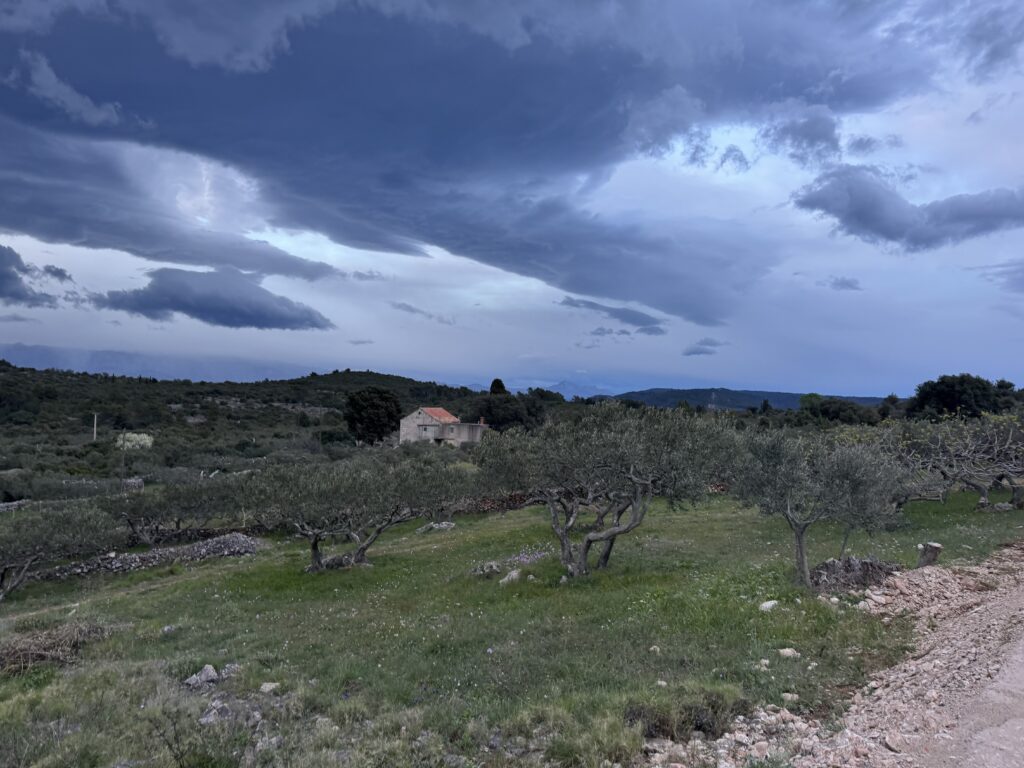
In the Stari Grad Plain, now a UNESCO listed World Heritage Site, they imposed one of the most enduring agricultural structures in the Mediterranean. Land was no longer something loosely occupied – it was measured, divided, and defined. Rectangular plots were carved into the landscape with precision. Dry stone walls marked boundaries that would outlive generations. Ownership became clear. Responsibility became visible. And with that, agriculture became strategic.
This is where olive cultivation truly begins.
Trees were no longer left to grow as they wished. They were placed, maintained, and cared for within a system that had purpose. Pruning, spacing, and long-term yield became part of the thinking. The olive tree was no longer just surviving on Hvar – it was being cultivated as part of a vision.
But what makes this moment especially important is balance.
The Greeks did not turn Hvar into a monoculture. They did not chase maximum output from a single crop. Instead, they created a relationship between olives and vines – between oil and wine – that defined the island for centuries. Each had its role. Vines responded faster, gave quicker returns, and connected to trade. Olives moved slower, rooted deeper, and provided stability. One was expansion. The other was security.
And this balance is not accidental. It reflects a level of agricultural intelligence that is often underestimated today. The Greeks understood risk. They understood time. They understood that a landscape like Hvar demands diversity, not dependence.
Within this system, Hvar olive oil began to change its role.
It was still essential for daily life, but it was no longer unpredictable. With structured cultivation came consistency. Yields could be anticipated. Storage could be planned. Surpluses could exist. And once there is surplus, there is exchange. Olive oil on Hvar quietly stepped out of pure subsistence and into the earliest form of local economy.
Not as a dominant export, not as a luxury product, but as something stable enough to be relied on beyond immediate need.
That distinction matters.
Because even in this phase, olive oil on Hvar does not become aggressive. It does not push outward in the way wine often would through its history on Hvar. It remains grounded, tied to the land, supporting life first and trade second. The Greeks gave it structure, but they did not change its nature.
And what they built did not disappear.
The Stari Grad Plain still carries their logic. The same parcels, the same boundaries, the same quiet geometry of land division remain visible today. Olive trees still grow within a system that was designed over 2400 years ago. Few places in the Mediterranean offer such a direct continuity between ancient planning and modern landscape.
This is why the Greek era is not just a historical phase in the story of Hvar olive oil. It is the moment when instinct became knowledge. When survival became system.
Everything that comes after – every harvest, every generation, every drop of oil – still stands on that decision to bring order to something that was already quietly perfect in its wild imperfection.
The Roman Era: Efficiency, Scale, and Trade
When the Romans took control of Hvar in 219 BC, during their expansion across the eastern Adriatic in the context of the Illyrian Wars, they did not introduce olive cultivation to the island – and they certainly did not introduce trade. Both were already present under the Greeks. What they brought was something more subtle, but ultimately more transformative: standardization, technical precision, and integration into a much larger economic system.
By that point, the agricultural framework established in Pharos (today’s Stari Grad) was already functioning. Land was divided, olives and vines were cultivated side by side, and production existed beyond pure subsistence. But it was still limited by variability – in tools, in methods, and in output.
Rome reduced that variability.
Across the Roman world, olive oil was not a niche product. It was a daily necessity used for cooking, lighting, body care, and religious practices. That kind of constant demand required something Hvar had not yet fully developed: predictability at scale.
On the island, this translated into improvements in how olive oil was produced, processed, and understood.
Pressing technology evolved beyond simple crushing and manual pressure. Roman producers used beam presses and later screw presses that applied steady, controlled force to olive paste. This increased yield and reduced waste, but more importantly, it created consistency. Production became less dependent on individual technique and more on repeatable processes.
Different Types of Olive Oil on Hvar Island in Roman Period
At the same time, Roman agronomists began to clearly distinguish between different types of olive oil, not as a matter of taste preference, but as a matter of raw material and intended use. Writers like Columella and Pliny the Elder describe classifications that show a surprisingly advanced understanding of quality:
- Oleum ex albis ulivis – oil from green, unripe olives; sharper, more bitter, and highly valued
- Oleum viride – fresh, early-harvest oil, also considered high quality
- Oleum maturum – oil from fully ripe olives; milder, more abundant, suited for everyday use
- Oleum caducum – oil made from olives that had fallen to the ground; lower quality, often used for lamps or technical purposes
This distinction is critical because it shows that olive oil on Hvar Island wasn’t treated as a single, uniform substance. It was graded, directed, and valued differently depending on origin and condition. The idea that not all olive oil is equal did not begin in modern times – it was already clearly understood in the Roman period.
And yes – olives collected from the ground were absolutely used. But their lower quality was recognized. Once the fruit hits the soil, it begins to degrade: it bruises, oxidizes, and can start fermenting. The Romans did not ignore this. They incorporated it into their system. Higher-quality oils came from controlled harvests. Lower-quality oils still had a place, but a different purpose.
This was early quality control.
Storage and transport followed the same logic.
In Roman times, olive oil was kept in standardized clay vessels – amphorae – designed for both preservation and movement. They were part of a logistics system that allowed oil to travel across the Mediterranean while maintaining usable quality. Amphorae could be sealed, labeled, and stacked efficiently, making olive oil a manageable commodity within long-distance trade.
For Hvar, this meant integration.
The island’s position along Adriatic maritime routes allowed its production to move beyond local and regional exchange. It became part of a wider network connecting coastal settlements and trade centers across the Mediterranean. Not as a dominant exporter – Hvar was never a mass-production hub like parts of Roman Spain or North Africa – but as a reliable, connected node within a larger system.
That distinction matters.
Because Roman influence did not change what olive oil was on Hvar Island. It changed how far it could go, how consistently it could be produced, and how clearly its quality could be understood.
Olive Oil on Hvar, in the Stari Grad Plain during the Roman Period
The Stari Grad Plain remained the agricultural core of the island, and the Roman period did not erase the Greek structure – it continued to use it. The same parcels, the same dry stone boundaries, the same geometric division of land stayed in place. What changed was how efficiently that land was used.
While Hvar was not among the largest centers of olive oil productions, it followed the same logic: structured land, improved processing, and integration into wider exchange networks.
And what makes Hvar unique is continuity… Remember, the golden blood of our moms that were, and are, always there.
The olive trees growing in the Stari Grad Plain today are not just metaphorically connected to that period – they exist within the same spatial logic established over two thousand years ago. The Roman era did not reset the system. It strengthened it.
And that is the key to understanding this phase of Hvar olive oil history.
The Greeks created order. The Romans made that order more efficient, more precise, and more connected. They did not reinvent olive oil on Hvar. They made it work better within a world that was getting bigger.
Medieval and Venetian Period: Stability Over Expansion
After the collapse of Roman authority, many structured agricultural systems weakened. Olive cultivation, however, did not disappear.
Unlike vineyards, which require constant replanting and are vulnerable to disease, olive trees are long-lived and resilient. This gave olive oil a structural advantage. Even in periods of instability, production could continue at a basic level.
During the Middle Ages, monasteries played a central role in maintaining agricultural continuity. Olive groves were preserved not because of trade, but because oil remained essential. It was required for liturgical purposes, for lighting, and for daily consumption. This ensured that knowledge of cultivation and processing did not vanish.
With the arrival of Venetian rule in the 15th century, Hvar olive oil regained a stronger economic role. Venice operated one of the most sophisticated maritime trade systems in Europe, and Dalmatia functioned as a supply zone. Olive oil from Hvar entered this network as a stable, transportable, and necessary product.
What made Hvar olive oil particularly valuable in this period was not exclusivity, but reliability. It could be stored without rapid spoilage, transported across the sea, and used in multiple ways. Unlike goods that depended on fashion or status, olive oil from Hvar had constant demand.
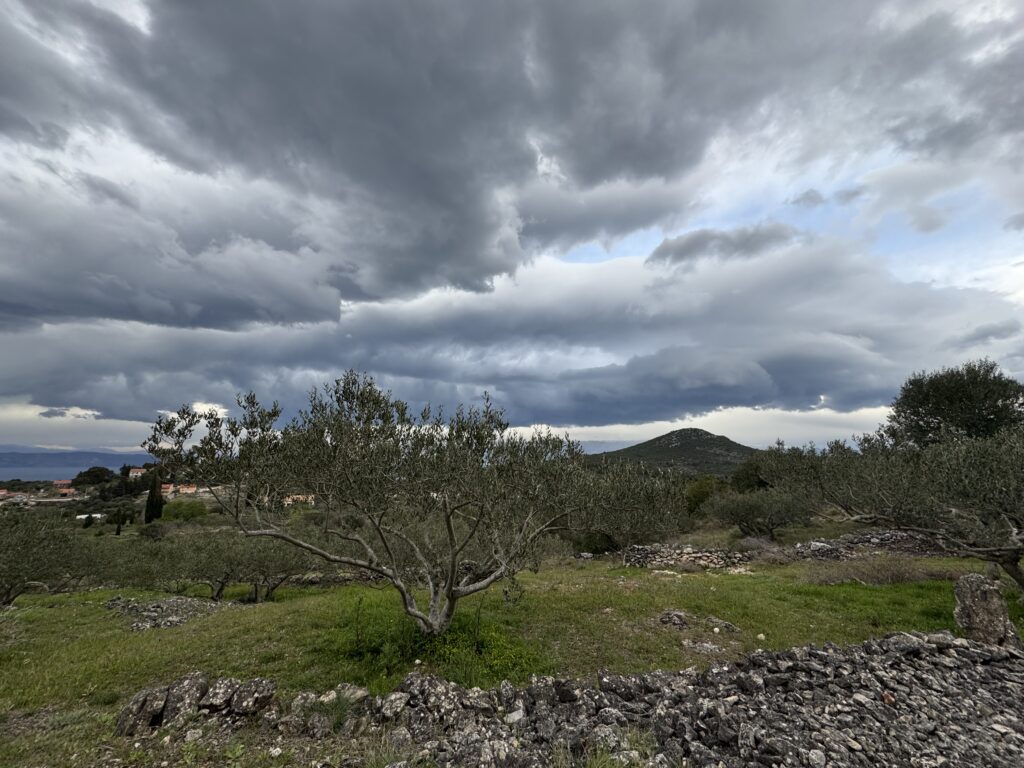
19th Century: Quiet Strength in the Shadow of Wine
The 19th century is often remembered as the golden age of wine production on Hvar. Vineyards expanded rapidly, driven by strong demand from European markets, especially during periods when French wine production was disrupted. For a time, wine was not just an agricultural product – it was the island’s main economic engine.
But beneath that expansion, another system continued to operate quietly.
Olive groves did not expand at the same pace. They did not bring the same profits. They did not shape trade routes or attract outside demand in the same way wine did. But they remained present, stable, and largely unchanged.
And that difference would prove critical.
The turning point came with the spread of phylloxera, a vine-destroying pest that began devastating European vineyards in the second half of the 19th century, reaching Dalmatia in the late 1800s. Vineyards that had taken generations to build were destroyed within years. Entire local economies, heavily dependent on wine, collapsed almost overnight.
Olive trees were unaffected.
This was not a small detail. It exposed a structural difference between the two agricultural systems.
Vineyards, especially in their expanded 19th-century form, were increasingly tied to external markets. They depended on demand, pricing, and stability beyond the island. When that system broke, so did the income it generated.
Olive groves, on the other hand, were never built around rapid expansion or external dependence. They were slower, less profitable, and less visible – but they were also far more stable. They did not rely on a single market. They did not collapse due to a single biological threat. They continued producing, even when everything else failed.
And failure did come.
After the phylloxera crisis, the situation worsened with shifts in trade policy under the Austro-Hungarian Empire. The increased import of cheaper Italian wines made it even harder for Dalmatian producers to recover. Even where vineyards could be replanted, they often could not compete.
That dark age in the history of wine making on Hvar Island created a period of economic pressure, uncertainty, and, in many cases, emigration. Families who had relied on wine as a primary source of income were forced to adapt, diversify, or leave.
In that environment, olive oil from Hvar Island did not suddenly become dominant. It simply remained.
It continued to be produced for household use. It continued to support daily life. It continued to exist independently of volatile market conditions. While it did not replace the lost income from wine, it reduced the risk of complete collapse at the household level.
That distinction matters more than any production figure.
Because in this period, olive oil proved something that had been true for centuries but rarely fully appreciated: its value is not in growth, but in endurance.
Wine connected Hvar to Europe.
Olive oil kept Hvar functioning when that connection broke.
And this is why the 19th century on Hvar Island is not just a story of wine’s rise and fall, but also a moment when the role of Hvar olive oil becomes clearer than ever. It’s a quiet strength, built over generations, revealing its true importance only when everything else begins to disappear.
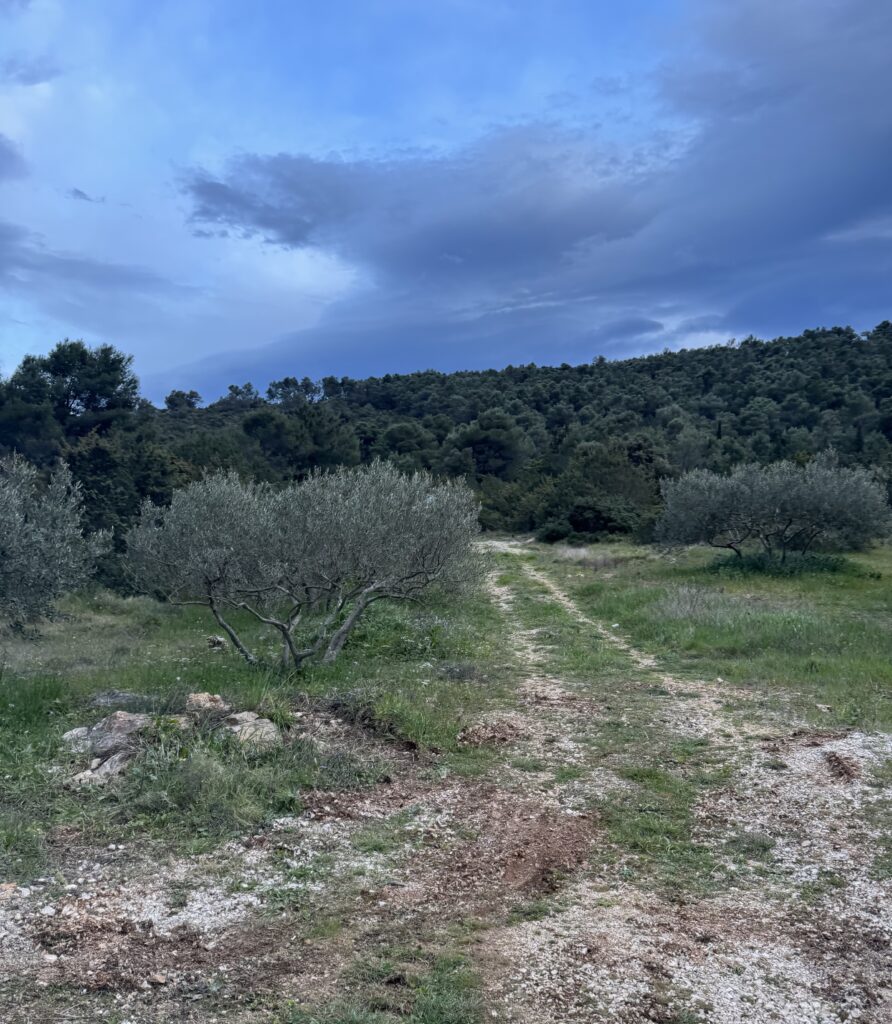
Olive Oil on Hvar During Socialism
After the Second World War, Hvar became part of socialist Yugoslavia, and agriculture across the island was reorganized within a centralized economic framework. This did not eliminate private ownership, but it changed how production was processed, distributed, and valued.
Olive growing itself never disappeared – trees remained in family hands, often on the same parcels that had been cultivated for generations. What changed was everything around the harvest.
Processing moved increasingly toward cooperative systems and state-supported facilities. Instead of each household pressing its own oil using small, traditional mills, many producers brought their olives to centralized presses. These facilities used more modern equipment for the time which allowed larger volumes to be processed more efficiently.
This shift reduced the need for every household to maintain its own equipment, increased extraction efficiency, and allowed for faster processing during peak harvest periods. In practical terms, it made production more accessible and less labor-intensive at the individual level.
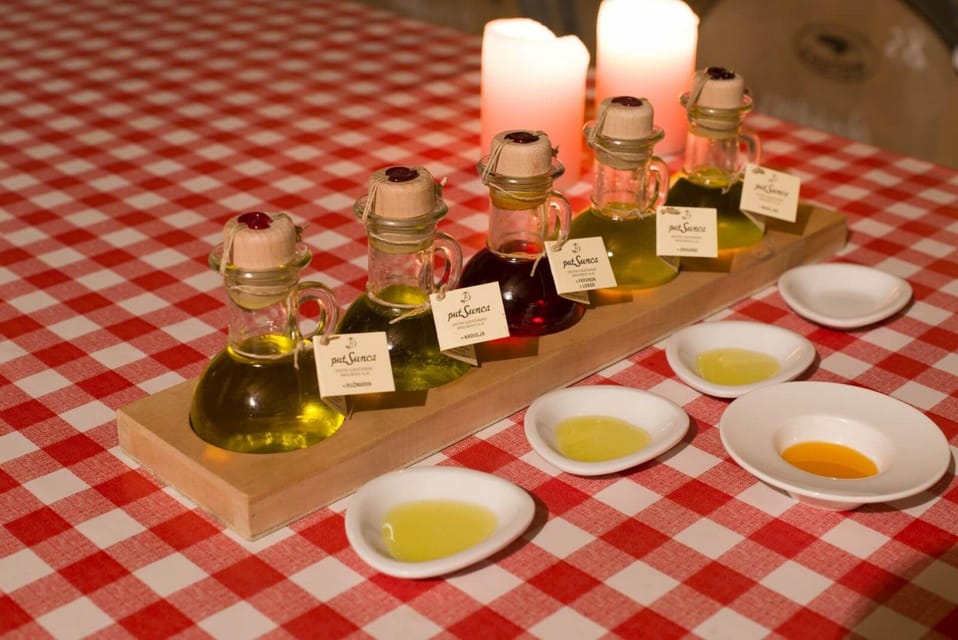
But the market wasn’t the same as today. Today you can book your Hvar wine and olive oil tour and see how a single family creates their labels and places them on domestic and international markets. Something that wasn’t possible during socialism. There was no incentive for branding, no premium positioning, and no structured market for high-quality, small-batch olive oil. The same as wine production, olive oil production was focused more on quantity than quality.
It was a system where most agricultural output was directed toward meeting domestic needs or state-regulated distribution. Olive oil was treated more as a functional staple, than as a product to be refined, marketed, or distinguished.
However, what is crucial – and often misunderstood – is that traditional knowledge did not disappear.
Families still harvested their own trees. They still knew when to pick, how to handle the fruit, and how to recognize quality. In many cases, households maintained a dual approach: part of the harvest would go through cooperative systems, while a smaller portion might still be processed privately, especially in areas where older presses remained in use.
This created a kind of parallel reality.
On the surface, Hvar olive oil became standardized, invisible as a differentiated product. But beneath that, at the level of families and local practice, the continuity of knowledge remained intact. Techniques were passed down. Sensitivity to harvest timing and fruit condition was preserved. The connection between land and oil was never fully broken.
Another important aspect of this period is that olive oil retained its daily role of olive oil in life on Hvar…
It was used in households, in cooking, in preservation, and in everyday routines, regardless of its market position. Even without premium pricing or international recognition, olive oil remained essential. It did not depend on tourism, export trends, or branding cycles. It existed because it was needed. This is what defines the socialist period in the history of olive oil on Hvar – continuity under a different system.
So even though production became more centralized and market visibility decreased, the underlying structure that was passed through generations – trees, knowledge, and daily use – remained.
And that continuity is exactly what made the transition into the modern era possible. When the system changed again in the 1990s, Hvar did not need to rediscover olive oil.
It had never lost it.
It was the time to present the world something we patiently nurtured through time, something that nurtured us with motherly, unconditional love…
Modern Hvar Olive Oil: Precision, Identity, and Recognition
Over the last three decades, Hvar olive oil has shifted from an everyday staple to a clearly defined, high-quality product – without losing its original role in daily life.
With the transition to a market economy in the 1990s and growing global interest in Mediterranean products, producers began focusing on quality over quantity. Earlier harvesting, faster processing, and modern mills allowed better control over freshness, stability, and flavor. Oil is now typically extracted within hours of picking, with strict temperature control to preserve key compounds and aroma.
At the same time, identity became central.
Instead of producing generic blends, producers began emphasizing indigenous varieties, each shaped by Hvar’s climate and terrain.
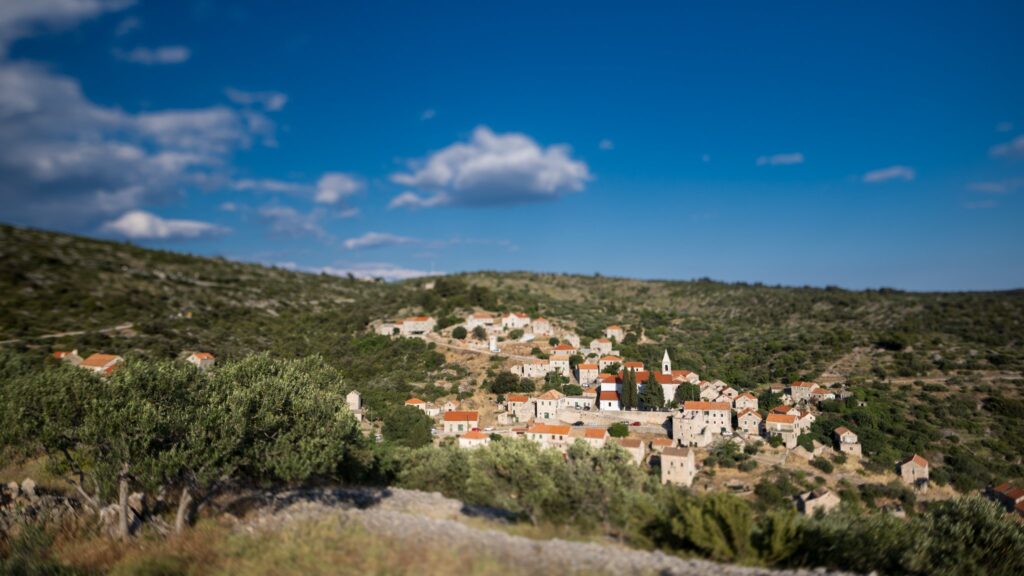
Indigenous Croatian Olive Varieties
Oblica – The Most Common Olive Tree on Hvar Island
The most widespread Dalmatian variety and the backbone of many Hvar olive oils. As a tree, Oblica is highly adaptable and resilient, tolerating drought, wind, and poorer soils better than most varieties. It tends to grow vigorously, with a broader canopy and irregular yields (it is known for alternate bearing – heavy one year, lighter the next).
The fruit itself is large and oval to slightly elongated, with relatively high water content and moderate oil yield. Because of that, it is less “efficient” than some modern cultivars but more forgiving in traditional conditions.
Compared to Spanish varieties like Arbequina or Picual, Oblica is less uniform and less optimized for industrial production, but it produces a softer, more balanced oil with a distinct herbal character shaped by the island.
Levantinka (Šoltanka)
Levantinka is a more sensitive and demanding variety, but also more refined in expression. The tree is moderately vigorous and prefers well-maintained conditions, responding well to care and pruning. It is more consistent in yield than Oblica but less tolerant to neglect.
The fruit is medium-sized, more symmetrical and slightly elongated, with a good balance between flesh and oil content. It ripens more evenly, which makes it suitable for controlled, quality-focused harvesting.
In comparison to olive varieties commonly grown in California (like Arbequina), Levantinka offers more aromatic complexity and freshness, though it requires more careful handling to reach its full potential.
Lastovka
Lastovka is a more robust and structurally strong variety, both in the tree and in the oil it produces. The tree is hardy, well-suited to harsher conditions, and more stable in yield compared to Oblica. It handles poorer soils and exposure well, making it reliable across different parts of the island.
The fruit is smaller, round to slightly oval, with a higher skin-to-flesh ratio, which contributes to its stronger chemical profile. This is why its oil is typically more bitter and pungent, with higher polyphenol content.
Compared to high-intensity olive varieties like Spanish variety Picual, Lastovka operates in a similar direction in terms of structure and bitterness, but retains a more balanced Mediterranean profile without becoming overly aggressive.
And we are all thankful for the indigenous Croatian varieties. Nurturing them helps to position us as a place olive oil enthusiasts want to visit not to compare it to Spain or Italy but to experience what makes Hvar and its sacred liquids unique.
Another key shift in modern Hvar olive oil production is transparency.
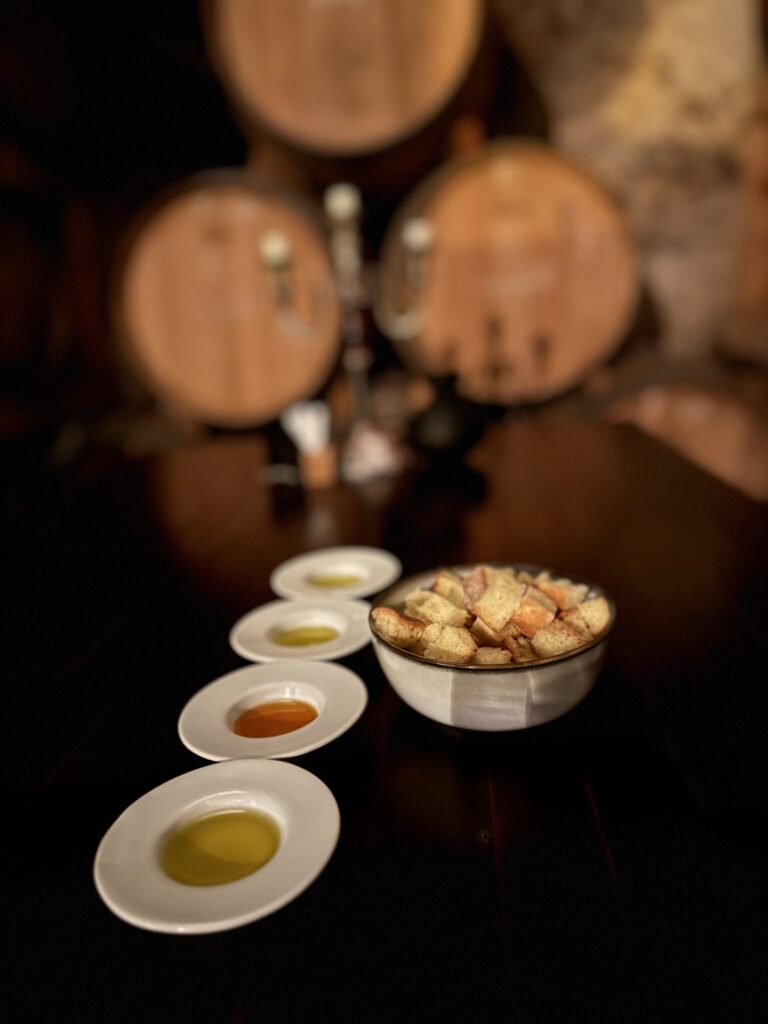
Production is no longer hidden. Visitors can see groves, processing, and taste oil directly at the source. This direct connection between land, producer, and product has turned olive oil into both a product and an experience.
And yet, despite all these changes, its core function remains the same. Olive oil on Hvar is still used daily, still rooted in households, still part of life – just now with a level of identity and recognition it never had before.
Conclusion: Why Hvar Olive Oil Still Matters
Now, after reading the history of olive oil on Hvar, you understand why it is considered sacred.
From wild trees to Greek structure, from Roman precision to the collapse of vineyards, through socialism and into the modern era – olive oil on Hvar remained a constant, like motherly love. It adapted when needed, but it never broke. It never disappeared. It never had to be rediscovered.
Hvar olive oil production was never built on expansion or trend. It was built on continuity. On quiet reliability. On the simple fact that, no matter what changed around it, it continued to exist and to support life on the island.
That is why, when you taste olive oil on Hvar today, you are tasting the motherly love of ancient trees that, even if you neglect them, still stubbornly love you.
If you’re thirsty for more, read…
History of Hvar Wine – How Timeless Treasure Traveled Through Time.
If you want to know how lavender got to Hvar and how it reshaped the island forever, read…
Hvar Lavender History – Beautiful, but Recent Addition to Hvar’s Landscape.
If you’re curious about the development of tourism on Hvar Island, read…
Hvar Tourism – Interesting History of Hospitality on the Best Croatian Island.
If you plan to book a wine tasting on Hvar, but you don’t know much about wine, read…
Wine Tasting Glossary – Unlock Your Tasting Terms, Don’t be Scared to Taste Hvar Wine like a Pro.
If you’d like to experience the tasting tour, but you don’t like wine that much, read…
Unique Hvar Wine Tasting Even Beer Drinkers Love… But How?
Or if you’re more for a romantic comedy, go for…
Hvar Wine Tour Sparked a Love Story – How Wine Brought Manhattan and Hvar Together.
Or if you’re more of those who prefer to live their stories…
Book your Hvar wine and olive oil tour.